

Your phone buzzes with a notification. 6:30 p.m. — time to leave for your dance class.
You arrive at the studio and take a deep breath. As you step onto the dance floor for your weekly salsa class, you feel the familiar flutter of nerves in your stomach. Despite attending the class for several months, you still struggle with certain moves and often feel self-conscious about your abilities. However, instead of letting fear hold you back, you remember to approach
However, instead of letting fear hold you back, you remember to approach the class with a growth mindset.
With each step and spin, you focus on learning and improving, rather than worrying about making mistakes. When you stumble or miss a beat, as you will because you are a beginner, you reframe it in your mind as an opportunity to improve. Encouragement from your instructor and classmates help you to persevere through the challenges of learning something new.
The class comes to an end and you smile as you realized how much you have grown grown since starting this new journey. By embracing a growth mindset, you have transformed your initial fears and insecurities into confidence and joy on the dance floor.
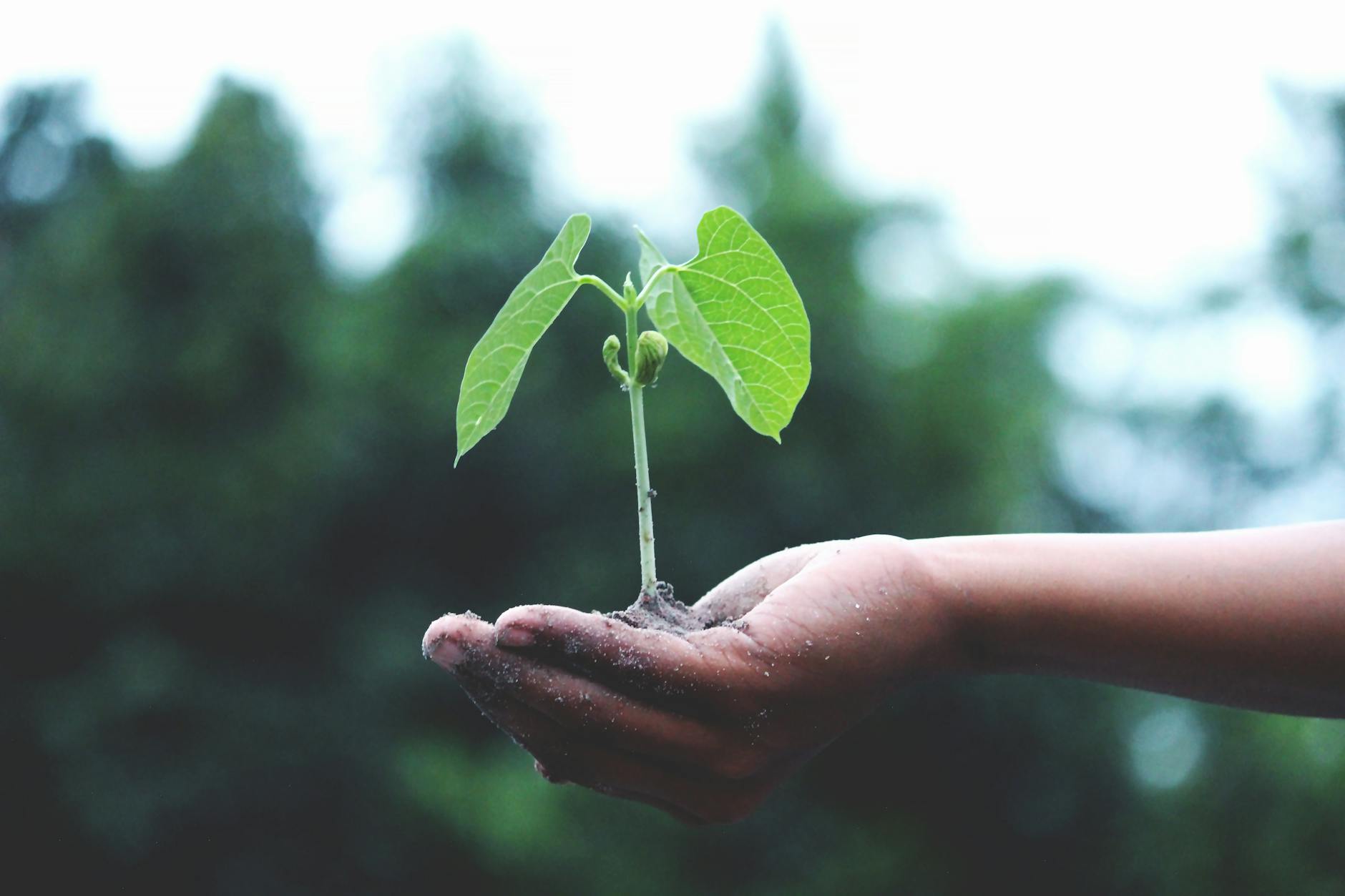


A growth mindset is characterized by a belief in the power of effort, learning and resilience to drive personal growth and development. We’ve already pointed out how growth can increase happiness and how it is the PROCESS of growing, not the actual end-point, that makes you happier.
Numerous studies have elucidated the strong correlation between a growth mindset and happiness. (3,4,6) One possible explanation for this correlation lies in the adaptive coping mechanisms inherent in a growth mindset. By viewing challenges as opportunities for growth, rather than insurmountable obstacles, individuals are better equipped to navigate life’s ups and downs with resilience and optimism.
Believing in one’s ability to effect positive change fosters a sense of empowerment and fulfillment. By adopting a growth mindset, individuals can unlock their full potential and achieve greater success and fulfillment in various areas of life.
And that growth should never end.
By adopting a growth mindset, we can build resilience, find joy in the journey, and discover a sense of purpose that adds greater meaning to our lives.
Shawn Achor
How to Create a Growth Mindset
Embrace Challenges
Instead of shying away from difficult tasks, actively seek out opportunities to challenge yourself. Whether it’s learning a new skill, taking on a new project at work or trying a new hobby, approach challenges with enthusiasm and a willingness to learn.
Learn from Failure
Setbacks and failures will happen. Resist the temptation to dwell on negativity. Instead, reflect on what went wrong— write it down in a journal if you have to — identify lessons learned, why it went wrong and how you can improve next time. Use that direct knowledge to grow. Remember that failure is not a reflection of your abilities, but an opportunity for growth.
Value Effort and Persistence
Recognize the importance of effort and perseverance in achieving your goals. Break big tasks into smaller, manageable steps and celebrate progress along the way. Stay committed to your goals even when faced with obstacles, knowing that your efforts will eventually pay off.
Seek Feedback and Learning Opportunities
Actively seek out learning opportunities — whether through books, courses, workshops or conversations with knowledgeable individuals. Always stay curious and never stop learning. Be open to kind and constructive feedback and encouragement from others and view it as an opportunity for growth and improvement.
Cultivate Resilience and Optimism
Practice resilience by reframing challenges as opportunities for growth and focusing on solutions rather than problems. Cultivate a positive mindset by practicing gratitude, surrounding yourself with supportive people, and engaging in activities that bring you joy and fulfillment.
Challenge Fixed Mindset Thoughts
Pay attention to your inner dialogue and challenge any fixed mindset thoughts that may be holding you back. Replace negative self-talk with more positive and empowering beliefs about your current abilities and upcoming potential for growth.
Takeaway
Challenge yourself and create a growth mindset to increase your happiness and overall satisfaction with your life.
- Embrace challenges
- Learn from failure
- Value your effort and persistence
- Seek feedback and learning opportunities
- Cultivate resilience and optimism
- Challenge your fixed thoughts



CC The text cited in this work is licensed under a Creative Commons Attribution 4.0 International License.
Sources
Achor, S. (2010). The Happiness Advantage: The Seven Principles of Positive Psychology That Fuel Success and Performance at Work. Random House.
Dweck, C. S. (2006). Mindset: The New Psychology of Success. Random House.
Mangels, J. A., Butterfield, B., Lamb, J., Good, C., & Dweck, C. S. (2006). Why do beliefs about intelligence influence learning success? A social cognitive neuroscience model. Social Cognitive and Affective Neuroscience, 1(2), 75–86.
Molden, D. C., & Dweck, C. S. (2006). Finding “meaning” in psychology: A lay theories approach to self-regulation, social perception, and social development. American Psychologist, 61(3), 192–203.
Yeager, D. S., & Dweck, C. S. (2012). Mindsets that promote resilience: When students believe that personal characteristics can be developed. Educational Psychologist, 47(4), 302–314.
 Reno Happy Project