

In the garden of life, humans are much like plants, each with their own unique seeds of potential — waiting to sprout and flourish. Just as a garden requires nurturing care, sunlight and water to thrive, individuals require various forms of nourishment and experiences to grow and develop.
From the tender shoots of physical growth, to the branches of emotional intelligence and the deep roots of spiritual exploration, humans journey through the seasons of life, continually reaching towards the sun of self-actualization.
Reno, we can dig into the rich soil of human existence, exploring the ways in which individuals blossom and bloom throughout their lifelong growth.

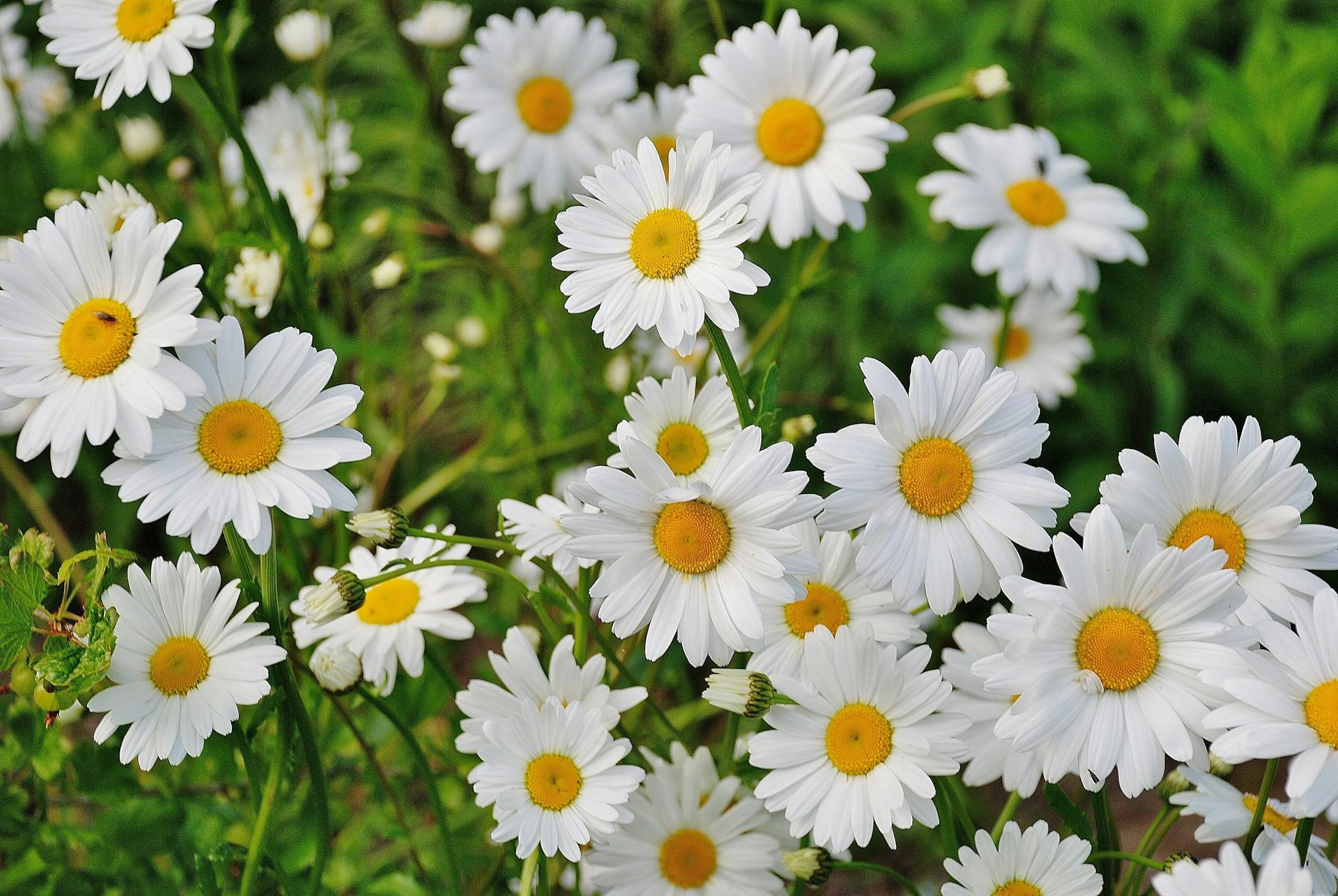
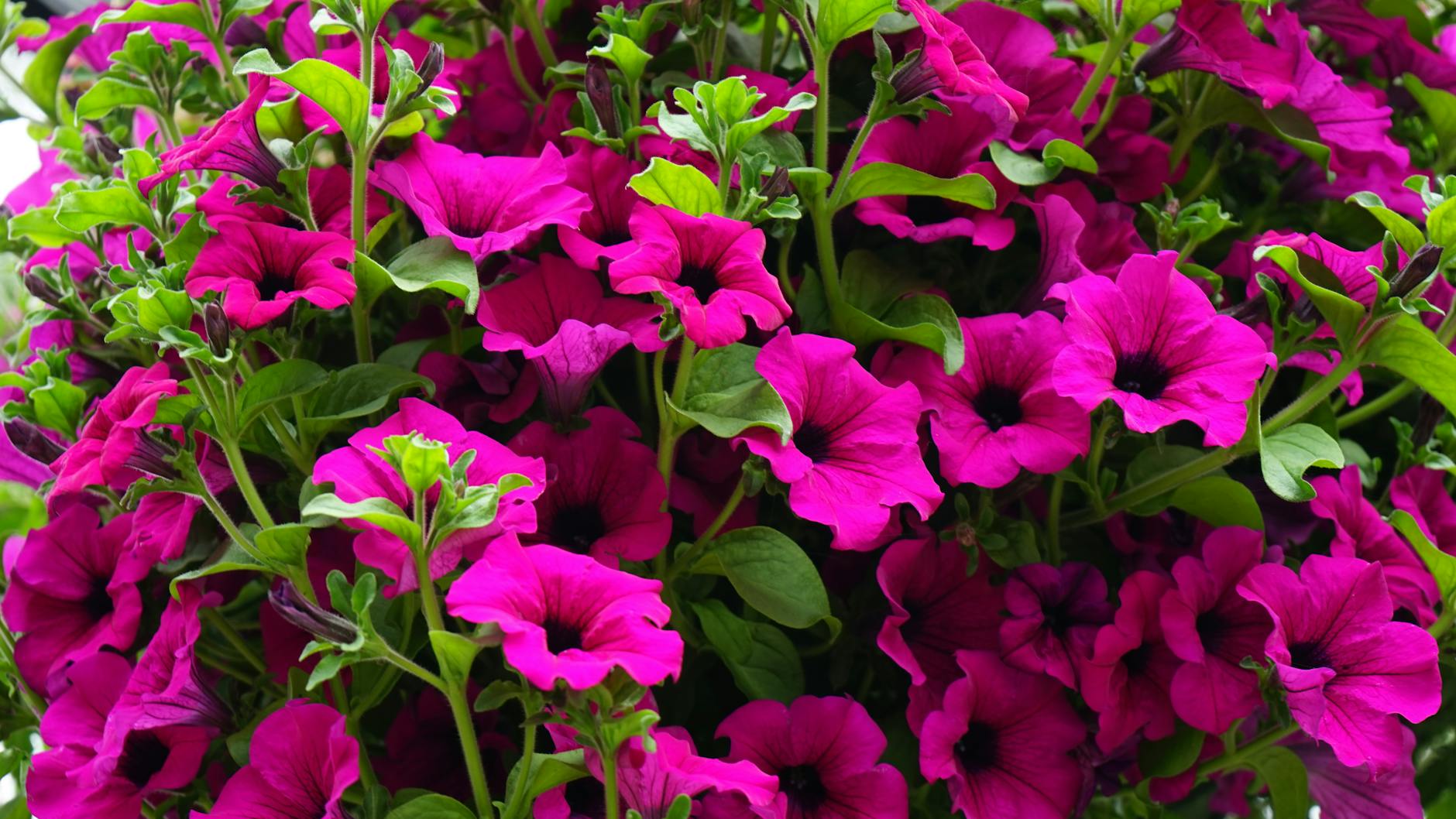
Five Ways Humans Grow
1. Self-awareness and Emotional Intelligence
Self-awareness, the ability to recognize and understand one’s own emotions, thoughts and behaviors, is a fundamental aspect of personal growth. Research suggests that individuals with higher levels of self-awareness tend to experience greater well-being (A.K.A. happiness) and psychological adjustment in life. 4
Also linked to awareness is emotional intelligence, which encompasses the ability to perceive and understand emotions, both for yourself and others. Emotional intelligence is so important, that it has been linked to improved interpersonal relationships and professional success.2 It’s so important, in fact, that experts have even created an EQ — emotional quotient — similar to the IQ, but linked not to intelligence, but rather emotional awareness and perception. Individuals with higher EQs are generally happier, more successful, and have better relationships.3
2. Learning and Skill Development
Continuous learning and skill development play pivotal roles in personal growth and professional advancement. According to studies, engaging in lifelong learning activities, not only enhances cognition, but also promotes overall mental health and well-being.7 Whether through formal education, self-study or practical experience, acquiring new knowledge and skills empowers individuals to adapt to evolving challenges and seize opportunities for growth.
3. Resilience and Adaptability
Resilience is the capacity to bounce back from adversity and thrive in the face of challenges. Resilience is equivalent to adaptability to life’s changing environment and is considered a hallmark of personal growth. Research indicates that resilience can be cultivated through various strategies, including cognitive reframing, social support and problem-solving skills.8 Individuals who develop resilience and are generally more adaptable are better equipped to navigate life’s uncertainties and setbacks, emerging stronger and more resilient in the process.
4. Interpersonal Relationships and Social Connection
Human beings are inherently social creatures, and interpersonal relationships play a crucial role in personal growth and well-being. Studies have shown that positive social connections contribute to greater happiness, lower levels of stress and improved overall health.5 Moreover, supportive relationships provide opportunities for personal growth through mutual encouragement, empathy and shared experiences. Grow and strengthen relationships to grow happiness.
5. Spiritual Exploration and Meaning-Making
For many individuals, spiritual exploration and the quest for meaning are key aspects of personal growth. Research suggests that spirituality and religious involvement are associated with various positive outcomes, including greater life satisfaction, improved coping skills and enhanced resilience.6 It doesn’t matter which type religion or organized belief system, engaging in practices such as meditation, prayer or mindfulness can foster inner peace, self-awareness and a sense of connection to something greater than oneself.
Resilience, the capacity to bounce back from adversity and thrive in the face of challenges, is a hallmark of personal growth.
Southwick & Charney
Takeaway
Personal growth leads to an increase in happiness. Here are the five ways you can explore to grow as a human:
- Self-awareness and Emotional Intelligence. Increase your EQ.
- Learning and skill level development. Learn something new, anything.
- Resilience and adaptability. Bend with the winds of life, seek social connection and use problem-solving skills.
- Interpersonal relationships and social connection. Grow your relationships and plant new ones.
- Spiritual exploration and meaning-making. Fertilize your existence with spirituality.
CC The text cited in this work is licensed under a Creative Commons Attribution 4.0 International License.
Sources
Goleman, Daniel. Emotional Intelligence. 10th ed., Bantam Books, 2007.
Hills, Peter, and Michael Argyle. “Emotional stability as a major dimension of happiness.” Personality and Individual Differences, vol. 31, issue 8, Dec. 2011, pp.1357-64. Science Direct. Original Material.
Stein, Steven J., and Howard E. Book. The EQ edge: Emotional intelligence and your success. John Wiley & Sons, 2011.
References
Ackley, D. (2016). “Emotional intelligence: A practical review of models, measures, and applications.” Consulting Psychology Journal: Practice and Research, 68(4), 269–286. https://doi.org/10.1037/cpb0000070
Brackett, M. A., & Salovey, P. (2006). “Measuring emotional intelligence with the Mayer-Salovery-Caruso Emotional Intelligence Test (MSCEIT).” Psicothema, 18, 34-41.
Colfax, Richard S (01/01/2010). “Applying emotional intelligence (EQ-I) in the workplace: Vital to global business success.” Journal of International Business Research. Vol. 9, p. 88-98.
Davis, D. E., & Nichols, R. (2016). Does Emotional Awareness Lead to Better Psychological Well-Being? Investigating the Mediating Effects of Coping Strategies and Social Support. Journal of Happiness Studies, 17(6), 2481-2501.
Holt-Lunstad, J., Smith, T. B., & Layton, J. B. (2010). Social Relationships and Mortality Risk: A Meta-analytic Review. PLoS Medicine, 7(7), e1000316.
Koenig, H. G. (2012). Religion, Spirituality, and Health: The Research and Clinical Implications. ISRN Psychiatry, 2012, 1-33.
Nouchi, R., Taki, Y., Takeuchi, H., Hashizume, H., Akitsuki, Y., Shigemune, Y., … & Kawashima, R. (2016). Brain training game boosts executive functions, working memory and processing speed in the young adults: a randomized controlled trial. PLoS One, 11(2), e015 0779.
Southwick, S. M., & Charney, D. S. (2018). Resilience: The Science of Mastering Life’s Greatest Challenges. Cambridge University Press.
 Reno Happy Project